Image












If you’re reading this in August, you’ve probably already answered the question, “How was your summer?” at least 19 times.
My summer was short and sweaty, and I loved (almost) every minute of it.
My family spent a lot of time at the pool, sometimes at swim lessons, and sometimes relaxing with family and friends, squirting each other with water guns and eating popsicles.
While watching my kids at the pool—sometimes goofing off and sometimes mastering the perfect cannonball—I often thought about what it means to play, grow, struggle, and persevere. Let me share some photos to show you what I mean.
Play and Fun
Here’s my daughter Abigail enjoying a Fudgesicle at her grandparents’ house with her flamingo floaty. There’s no challenge here—just joy. She’s not growing as a swimmer, but that’s okay. As her mom, I want her to have these moments of pure fun, being a kid during a Texas summer.

Growth and Bravery
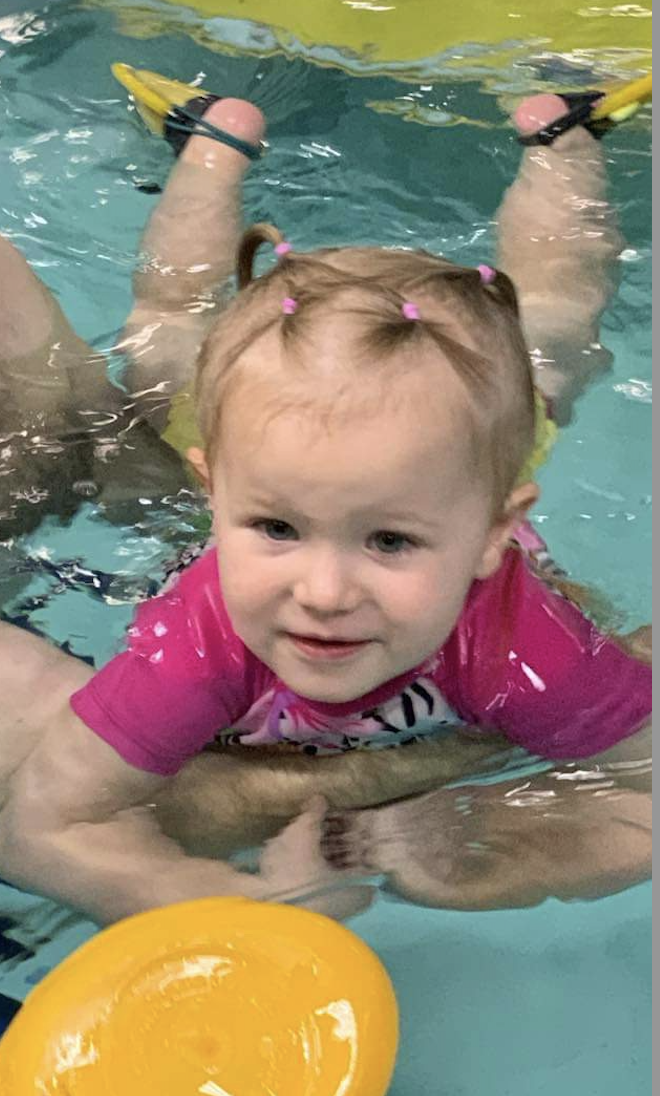
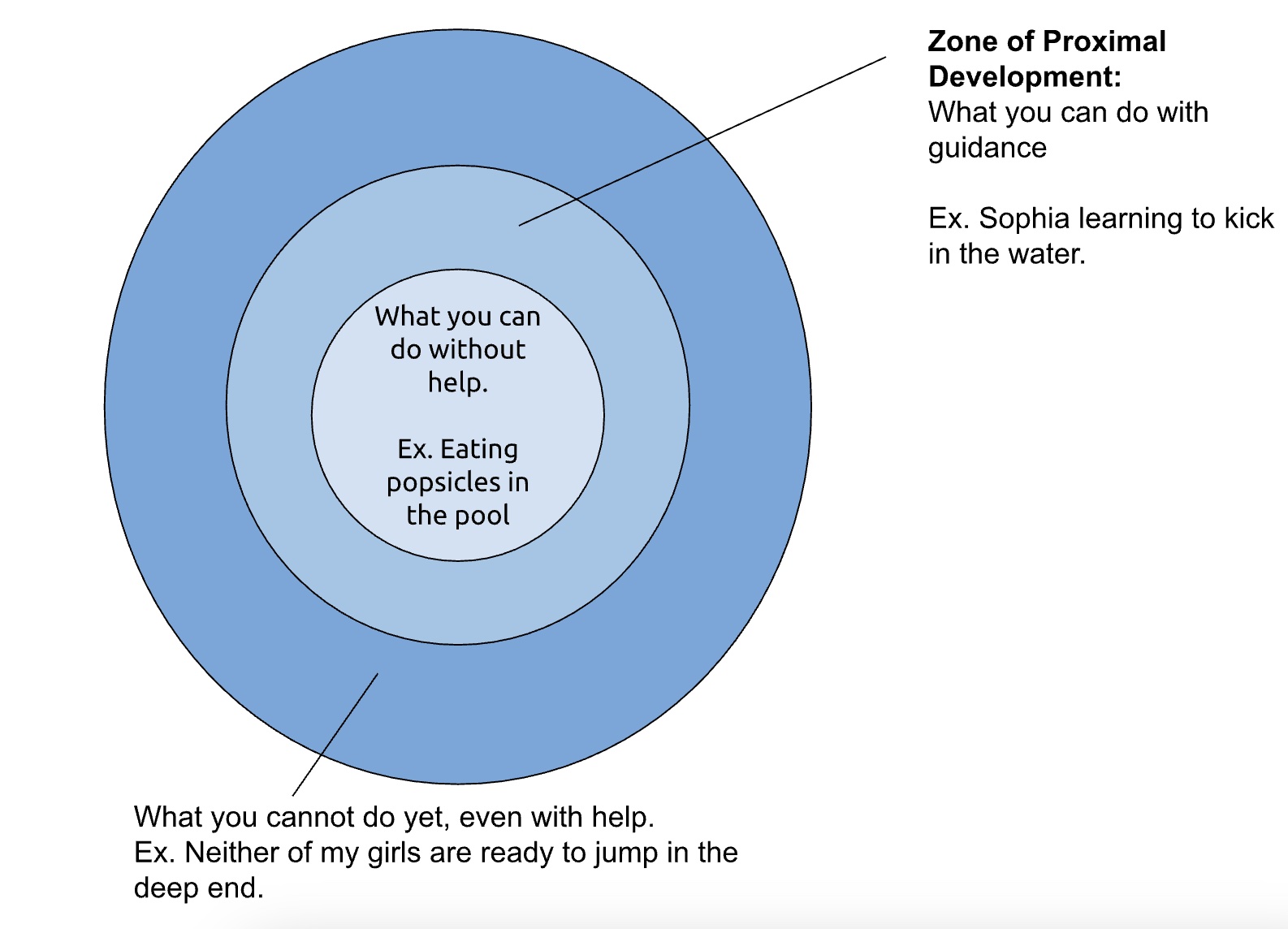
By contrast, here’s my daughter Sophia at swim lessons. For Sophia, this is an act of bravery. Wearing baby fins, she’s on her tummy, learning to kick her legs and propel herself forward. Soon, she’ll be able to do it without help, becoming stronger and more confident.
These photos remind me of the essential role productive struggle plays in learning.
What Is Productive Struggle?
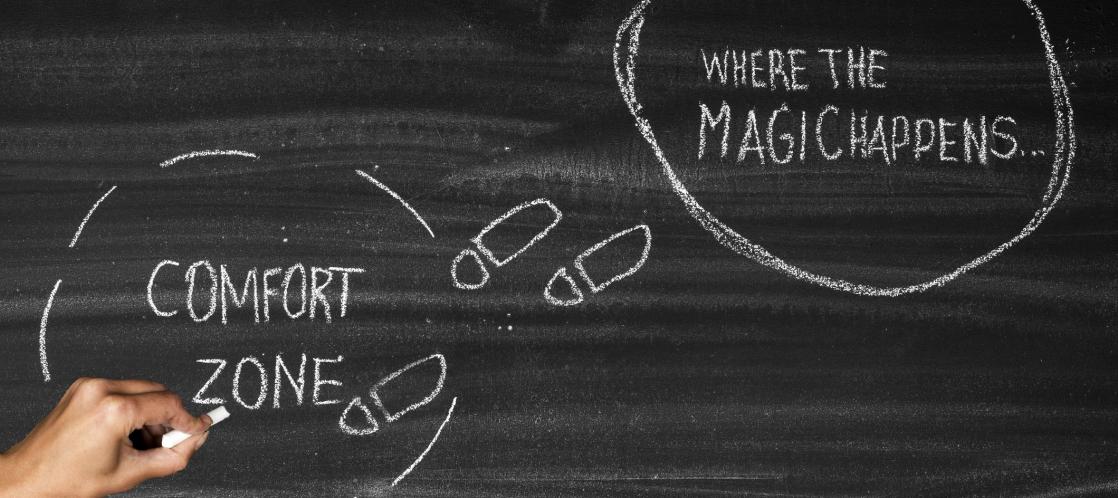
Productive struggle is the willingness to tackle a challenging task that sparks curiosity and pushes the boundaries of what can be done independently. It aligns with Lev Vygotsky’s Zone of Proximal Development (ZPD) concept—the space where growth happens with the proper support.
When Sophia practices kicking in the pool with her instructor’s guidance, she’s in her ZPD. Even though she’s stepping out of her comfort zone, she feels safe. The combination of her instructor’s support and her own belief in her abilities keeps her motivated.
Why It Matters in Schools
Productive struggle illustrates why schools exist: to give students opportunities to grow through meaningful, challenging tasks. Students thrive, achieve goals, and build confidence with the right support.
Growth for Everyone
Of course, productive struggle isn’t just for students.
As a new school year begins, ask yourself:
Once you identify your goal, make a plan to spend more time in your ZPD, supported by mentors or coaches who can help you succeed.
The Power of Growth
When the right challenge meets the right person with the right support, possibilities expand. Growth doesn’t just happen—it’s guided. And as we grow, so do the students and children we serve.
Reference
Vygotsky, L. S. (1978). Mind in society: The development of higher psychological processes. Cambridge, MA: Harvard University Press.